

Views: 0 Author: Site Editor Publish Time: 2026-05-20 Origin: Site
In a high-volume auto repair shop or tire center, precision and throughput are everything. A fraction of a millimeter of slippage during a wheel alignment doesn't just ruin the readings—it wastes valuable bay time and hurts customer trust. Mechanics frequently battle measurement drift caused by unstable equipment losing its grip on the wheel rim. In this article, you will learn the hidden mechanical reasons behind this issue and discover actionable, commercial-grade fixes to ensure zero-slip calibration every time using a professional Car Wheel Alignment Clamp.
● Root Causes Identified: Clamp slippage usually stems from worn grip teeth, grease contamination, or compromised lead screws on the wheel alignment rim clamps.
● Actionable Solutions: Regular maintenance, including sharpening or replacing adapter spades and degreasing wheel rims, eliminates calibration drift.
● Strategic Upgrades: Investing in premium commercial-grade wheel alignment accessories protects expensive customer rims and cuts down on bay cycle times.
● Business Impact: Maintaining slip-free alignment operations directly boosts workshop profitability by reducing costly customer comebacks and re-dos.
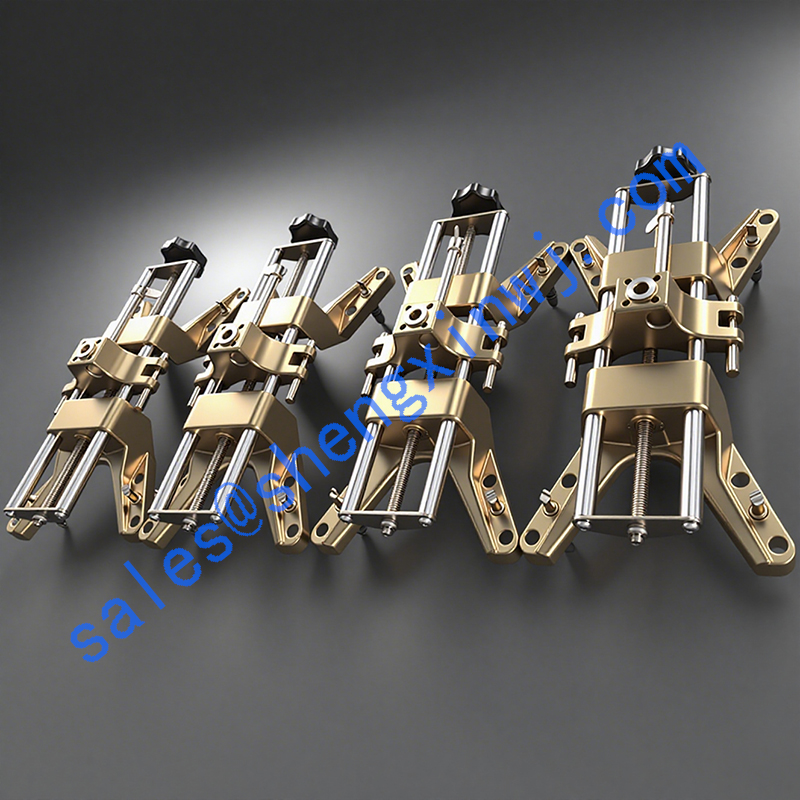
Every standard 4-point or 3-point wheel clamp relies on equalized tension to self-center on a wheel assembly. When a technician turns the central control screw, the arms expand or contract at identical rates. This mechanical symmetry ensures the alignment target sits perfectly parallel to the wheel hub. Steel wheels offer a generous lip for these clamps to bite into, allowing for high clamping forces. Delicate alloy rims present a different challenge. They require precise tension distribution so the clamp remains perfectly stable without warping or bending the decorative outer lip of the wheel.
The actual physical interface between the vehicle and your alignment system relies entirely on adapter spades or claws. These specialized metal feet are engineered to slide into the narrow void between the tire bead and the rim edge. On a premium Car Wheel Alignment Clamp, these spades feature sharp, hardened teeth designed to bite securely into the metal. For high-end alloy wheels, technicians swap these out for plastic-coated rim protectors or specialized outer-lip claws. These accessories rely on surface friction and precise clamping geometry rather than raw piercing force to stay anchored during the measurement cycle.
Shop owners must distinguish between a clamp losing its grip on the rim and an alignment target loosening on its mount. The wheel clamp serves as the foundational base. If the base shifts even half a degree, the digital camera sensors register it as a suspension tracking error. The target itself connects to the clamp via a mounting pin or quick-release plate. If this connection has excessive play due to physical wear, you will experience target drift even if the primary rim clamps remain completely locked onto the wheel. Both connection points must be rigid for your alignment equipment troubleshooting to be successful.
Note: Even minor target vibration caused by nearby shop equipment can mimic clamp slippage on highly sensitive 3D optical alignment systems.
Daily use across hundreds of vehicles takes a heavy toll on the sharp edges of clamp claws. As these hardened metal teeth bite into steel and aluminum over time, their sharp profiles round off. When a technician attempts to mount a dull Car Wheel Alignment Clamp onto a smooth, painted, or clear-coated alloy surface, the rounded teeth cannot establish a deep bite. Under the weight of heavy camera targets, the claw slowly slides along the smooth metal profile, causing micro-shifts that completely invalidate your alignment measurements.
The internal mechanics of wheel alignment rim clamps rely on clean, smooth thread engagement. The center lead screw must turn freely to translate hand torque into lateral clamping force. In a busy shop environment, these screws are exposed to brake dust, road grime, and metal shavings. This debris builds up inside the slideways and threads, creating immense friction. Technicians feel resistance and assume the clamp is tight against the rim, but the mechanical force is actually binding in the dirty threads, leaving the clamp loose on the wheel.
The widespread commercial use of silicone-based tire dressings and aerosol wheel cleaners is a major hidden cause of clamp slippage. These products leave an invisible, ultra-slick chemical film on the rim lip. When a vehicle rolls into the alignment bay right after a detail wash, the adapter claws attempt to grip this lubricated surface. The high pressure exerted by the clamp arms simply forces the slippery fluid into the microscopic valleys of the metal, creating a hydroplaning effect that lets the clamp slide under the slightest vibration.
Heavy-duty garage equipment is durable, but it is not indestructible. Alignment clamps are frequently dropped onto concrete floors or forced onto oversized wheels using cheater bars. These impacts can easily warp the aluminum or steel arms of the clamp frame. Once an arm is bent out of its original factory geometry, the claws no longer approach the rim at a perpendicular angle. The uneven pressure distribution means two points might grip tightly while the remaining points barely touch the wheel, leading to sudden slippage during rolling compensation.
Root Cause of Slippage | Primary Indicator | Operational Impact |
Dull Adapter Spades | Visual rounding of claw tips | Macro-slip on smooth alloy surfaces |
Dirty Lead Screws | High physical resistance when turning knob | Inadequate clamping force on the rim |
Tire-Shine Contamination | Visually wet or glossy rim lips | Clamp slides off during rolling compensation |
Bent Target Arms | Visual asymmetry when clamp is open | Uneven pressure distribution across points |
Modern automotive designs feature highly complex wheel geometries, including lip-less rims, oversized custom faces, and ultra-low-profile tires. Attempting to use a standard set of generic claws on these specialized wheel profiles is a recipe for failure. If the spade is too thick to slide between the tire bead and the rim, it will sit precariously on the rubber instead of the metal. As the tire flexes when the vehicle is rolled backward and forward, the clamp will shift and lose its anchoring point completely.
Many universal fast-clamps use internal spring-loaded mechanisms or locking pins to maintain constant tension against the wheel assembly. Over years of constant compression cycles, these internal springs suffer from material fatigue. They slowly lose their original tension rating and can no longer exert the necessary outward or inward force. During an alignment sweep, when the wheels are turned heavily to the left or right, the physical forces overcome the weakened springs, allowing the locking mechanism to back off.
Restoring the gripping power of a worn Car Wheel Alignment Clamp starts with a detailed inspection of the spade tips. If the teeth show minor rounding, a technician can use a fine-grit triangular file to carefully restore the sharp, angular profile of the gripping edges. It is crucial to file evenly to maintain the original tooth angle. If the teeth are severely worn, chipped, or flattened from years of service, skip the filing and completely replace the removable spade inserts with fresh, OEM-grade hardware to ensure maximum bite.
To combat the slippery effects of tire shine and road grime, shops should establish a mandatory rim prep routine. Technicians must wipe down the target clamping zones on the rim lip using a fast-evaporating brake cleaner or an isopropyl alcohol solution before mounting any hardware. Additionally, the clamp feet themselves should be cleaned weekly with a stiff wire brush to remove embedded aluminum shavings, dirt, and oily residues that fill the gaps between the teeth.
Step 1: Spray rim lip with fast-evaporating degreaser.
Step 2: Wipe dry with a clean microfiber cloth to remove silicone films.
Step 3: Brush out the clamp teeth to clear out embedded debris.
Step 4: Mount the clamp and verify metal-to-metal contact.
If you suspect an alignment clamp has suffered physical structural distortion from a drop, you can run a quick check using a flat reference surface or shop setup gauge. Lay the clamp flat to see if all four arms touch the surface evenly. If an arm is visibly out of alignment, the clamp should be taken out of service. While mild distortions in steel clamps can sometimes be corrected using a shop press, aluminum components should be replaced entirely, as bending aluminum weakens the metal and risks sudden failure under load.
Eliminating mechanical binding in the adjustment mechanism requires a thorough cleaning and lubrication cycle. Disassemble the main screw assembly and use a solvent to wash away all old, contaminated grease and trapped grit from the threads. Once dry, apply a high-quality dry-film lubricant or a light coat of lithium grease. Dry-film lubricants are highly recommended for busy shop environments because they provide excellent slickness without attracting abrasive brake dust and airborne debris that clog the threads over time.
Shop managers are often tempted to cut costs by purchasing cheap, generic aftermarket accessories for their alignment bays. This approach often backfires, as low-grade steel claws dull within weeks and inconsistent manufacturing tolerances lead to immediate target looseness. Sourcing specialized wheel alignment accessories from trusted suppliers ensures the replacement components match the exact metallurgy and hardness required to endure heavy commercial use without damaging customer vehicles.
If your shop handles a high volume of exotic sports cars, luxury vehicles, or custom trucks, it might be time to move away from traditional rim-edge clamps. Modern wheel-contact or tire-clamp systems represent a massive leap forward in garage equipment technology. These advanced systems use large, padded hooks that grab the tread of the tire rather than biting into the rim lip. This design completely eliminates the risk of scratching expensive wheels and bypasses the entire issue of rim-lip slippage caused by tricky wheel geometries.
As commercial pickup trucks and custom off-road SUVs grow in popularity, standard alignment gear can struggle to fit large wheel configurations. Investing in heavy-duty multi-fit extension arms allows your existing Car Wheel Alignment Clamp setup to handle rim diameters up to 26 or 28 inches safely. These extensions securely bolt onto the original clamp arms, providing the structural stiffness needed to support heavy wheel targets at wider diameters without introducing flexing or slippage during measurement sweeps.
Note: Upgrading to tire-contact clamps completely insulates your shop from liability claims regarding scratched or dented luxury alloy wheels.
When your alignment screen shows fluctuating or non-repeatable caster and camber numbers, you need to quickly figure out if the problem is mechanical or electronic. To test this, lock the Car Wheel Alignment Clamp down onto the wheel as usual. Take a fine piece of chalk or a marker and draw a tiny reference line where the spade meets the rim. Run through your alignment sweep. If the digital readings drift, look closely at your mark. If the spade has moved away from the line, you have a mechanical slip issue. If the mark is perfectly aligned, your issue lies within the camera tracking system or sensor calibration.
Rolling compensation requires the technician to push the vehicle backward and forward on the lift runways to let the cameras calculate the true center of wheel rotation. This motion creates significant inertial force on the heavy camera targets mounted to the wheels. If your target drift errors happen exclusively during this step, it means your clamp cannot handle dynamic loads. This is a clear indicator that the clamping tension springs are fatigued, the lead screw is binding before full torque is applied, or the rim lip is contaminated with slippery tire shine.
The automotive tuning community loves stretched tires and lip-less wheel faces, which present a major headache for alignment technicians. Traditional claws cannot get a secure grip because the bead of the tire completely covers the inner rim channel. In these specialized scenarios, standard clamping techniques will fail. Technicians must utilize specialized external face-clamping adapters that press firmly into the lug nut recesses or rely on advanced tire-clamp systems that bypass the rim entirely to achieve a secure hold.
Eliminating measurement drift in your workshop comes down to managing the small mechanical details that keep your system accurate. Clamp slippage is an easily avoidable bottleneck that costs shops time and money. By maintaining clean claws, lubricating lead screws, and using professional-grade equipment, shops can ensure pinpoint accuracy. As a leading manufacturer in the garage equipment sector, Shengxin provides high-precision, heavy-duty automotive service accessories designed to withstand demanding shop environments. They offer excellent durability, reliable customer service, and specialized OEM capabilities to meet unique workshop specifications worldwide. Partnering with a reliable manufacturer ensures your service bays stay efficient and highly profitable.
A: This happens because the physical movement of the vehicle overcomes dull adapter teeth, weak tension springs, or oily tire-shine residue on the rim lip.
A: Lay the clamp flat on a known level surface to see if all arms touch evenly, or check for uneven pressure distribution during mounting.
A: Clean the rim lip thoroughly with a fast-evaporating degreaser and ensure the clamp adapter teeth are sharp and free of debris.
A: Yes, they offer professional OEM services to manufacture specialized wheel alignment accessories tailored to specific commercial wheel sizes and industrial workshop applications.


