

Views: 0 Author: Site Editor Publish Time: 2026-05-20 Origin: Site
An inaccurate wheel alignment setup can lead to customer comebacks, ruined tires, and lost revenue. Technicians constantly debate whether a 3-point or 4-point design delivers the best balance of speed, rim protection, and measurement accuracy. This comprehensive guide breaks down structural differences, performance metrics, and operational costs to help shop owners choose the ultimate Car Wheel Alignment Clamp to optimize workflow.
● 3-point clamps feature rapid self-centering mechanisms that significantly reduce setup times in high-volume alignment bays.
● Traditional 4-point clamps provide superior mechanical stability and a secure four-quadrant grip for heavy-duty and collision repair trucks.
● Modern 3-point systems utilize specialized tire hooks or ABS claws to offer premium protection against scratching high-end alloy rims.
● Choosing between configurations depends heavily on your specific service volume, shop workflow, and the target fleet demographics you serve.
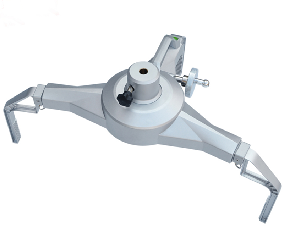
Choosing the right Car Wheel Alignment Clamp directly impacts daily shop revenue and service quality. Both options serve specific purposes depending on volume, vehicle type, and technician skill levels.
Feature Matrix | 3-Point Fast Clamp | 4-Point Rigid Clamp |
Setup Speed | Ultra-Fast (No rolling runout needed) | Standard (Requires runout compensation) |
Rim Contact | Tire tread or outer lip via ABS claws | Inner/outer metal rim lips with steel spades |
Stability Level | Moderate to High | Maximum mechanical security |
Best Used For | Luxury cars, high-volume tire retail shops | Heavy-duty trucks, collision repair bays |
In high-volume diagnostic centers, every second counts. The 3-point self-centering wheel clamp wins easily when evaluating pure mounting speed. These tools use synchronized arm movements that grab the tire or rim in one quick motion. A technician can place the adaptor, lock it in seconds, and move to the next wheel without spinning heavy adjustment knobs.
Traditional 4-point setups require a multi-step tactile process. The operator must manually adjust two separate threaded rods to balance the top, bottom, and side claws evenly. While highly secure, this traditional method takes more physical effort and extra time per vehicle. For an express lube shop running dozens of alignments daily, those extra seconds add up fast.
The geometric centering capability of an adaptor determines initial measurement precision. A 3-point layout automatically calculates the true center point of the wheel hub assembly using basic triangular geometry. Because these modern clamps fit so squarely against the wheel assembly, many advanced 3D alignment systems allow technicians to skip the time-consuming rolling runout compensation process entirely.
Standard 4-point adaptors require careful placement to achieve true centering. If one metal claw sits slightly misaligned on the rim lip, it skews the initial data. Technicians must perform a physical rolling runout compensation by moving the vehicle backward and forward on the lift. This step corrects any structural deviation between the clamp and the wheel spindle before recording final measurements.
Modern passenger cars frequently feature expensive alloy rims with delicate clear coats. A premium 3-point Car Wheel Alignment Clamp prevents cosmetic damage by changing how it grips the vehicle. Many designs use specialized ABS claws or heavy-duty hooks that wrap completely around the outside of the rubber tire tread rather than touching the metal rim face. This design guarantees zero metal-on-metal friction.
Traditional 4-point designs use hardened steel spade sleeves that must bite directly onto the inner or outer edge of the wheel rim. If a technician tightens the central screw mechanism too aggressively, these metal claws can scratch or chip custom paint finishes. This risk requires staff to use extra caution or install aftermarket plastic protective covers over every single metal foot.
While speed favors the three-point system, structural stability is where the traditional four-quadrant footprint excels. A 4-point alignment adaptor anchors itself at four opposing positions across the rim face. This wide layout creates massive mechanical resistance against movement. When a technician applies heavy torque to frozen tie-rod sleeves underneath the car, a 4-point setup will not budge or shift its position.
Clamp slippage during chassis adjustment causes severe problems for digital alignment sensors. If a clamp shifts even a millimeter, it creates data drift on CCD sensor pods or passive 3D target plates. This error forces the technician to restart the entire alignment process. The absolute rigidity of a traditional 4-point steel assembly keeps sensor readings stable through long, difficult mechanical adjustments.
A standard 4-point adaptor typically handles standard wheel diameters ranging from 10 to 24 inches. While this range covers most passenger sedans, it struggles with extremely small compact car wheels or deep-dish custom truck rims. Expanding a 4-point clamp often requires manual installation of bolt-on extension studs or oversized spade sleeves, which slows down workflow.
Premium 3-point fast clamps offer massive native versatility right out of the box. Their wide-opening scissor arms easily adapt to an extended range from 8 inches up to 24 inches without extra parts. This flexibility allows a single tool set to service a tiny subcompact vehicle immediately followed by an oversized commercial light truck without swapping out components.
The internal mechanical design of an alignment adaptor dictates its total lifespan in a busy workshop environment. Traditional 4-point models rely on a single-knob center screw mechanism. This simple design has very few moving parts to wear out. The heavy steel rods handle daily abuse well, requiring only basic lubrication to prevent the central threads from stripping over hundreds of alignment cycles.
Quick-lever scissor or arm mechanisms found on 3-point models contain more pivot points, internal springs, and locking linkages. Over years of constant high-pressure use, these joints can develop slight structural play. If internal wear compromises the clamp geometry, it loses its perfect self-centering ability, making regular inspection and maintenance essential to maintain precision.
To maximize workshop throughput, shop owners must understand the physics behind modern 3-point alignment tool engineering.
The underlying engineering of a 3-point system relies on a basic geometric truth: three points define a perfect circle. When the technician activates the central tightening lever, the three radial arms expand or contract at exactly the same speed. This synchronized movement automatically aligns the tool with the concentric center of the wheel hub assembly, removing human guesswork during setup.
High-quality 3-point systems feature interchangeable tire hooks and protective ABS tips. These components secure a firm grip on the tire tread wall without scratching expensive clear coats. The quick-locking levers allow one-handed installation, letting technicians work safely and efficiently.
High-volume express service centers, corporate tire dealerships, and quick-lube facilities profit most from 3-point fast clamps. These businesses rely on rapid vehicle turnaround times to stay profitable. By utilizing an easy-to-mount, rim-protecting clamp, these locations can perform alignment checks during routine oil changes without slowing down production lines.
Heavy-duty commercial bays and structural reconstruction shops still view the traditional 4-point adaptor as their primary workspace solution.
A 4-point setup uses dual horizontal or vertical adjustment rods to distribute heavy clamping force evenly across four opposing points along the rim lip. This structural design resists twisting forces from all directions. The mechanical layout turns the wheel rim and the alignment target into a single rigid unit, ensuring accurate tracking throughout long mechanical repairs.
The true power of a 4-point system lies in its extensive accessory options. Operators can customize the clamp using 2-inch stud extenders, dually wheel adapters, and angled spade sleeves designed for deep hubs. These bolt-on accessories allow structural repair facilities to adapt their existing hardware to fit specialized industrial wheels and complex agricultural machinery configurations.
Frame straightening and structural collision repair require heavy manual force. Technicians frequently use air hammers and long breaker bars to loosen rusted suspension bolts. The uncompromising, unyielding grip of a traditional 4-point steel assembly ensures the alignment targets stay perfectly still during these heavy impacts, protecting calibration accuracy.
Choosing a Car Wheel Alignment Clamp requires analyzing how well it interfaces with your existing digital alignment computer console.
Modern 3D alignment systems utilize high-definition cameras to track passive target plates mounted directly to the wheels. The weight and profile of the wheel adaptor affect the pitch and visibility of these targets. Light 3-point systems reduce overall target sag, keeping the optical face perfectly positioned inside the camera tracking window even when the vehicle is raised or lowered on an alignment lift.
Older or specialized electronic CCD alignment systems use active sensor pods mounted directly on each wheel clamp. These sensor pods contain delicate internal optical diodes and electronic tilt sensors. Because active sensors are heavy, the clamp must provide maximum rigidity. A loose clamp risks dropping a heavy sensor pod, causing expensive calibration damage and bay downtime.
Advanced Driver Assistance Systems (ADAS) require ultra-precise thrust angle alignment during sensor recalibration. If a wheel clamp sits at a slight angle on the hub, the alignment machine will miscalculate the centerline of the vehicle. This minor error can cause lane-keep assist and autonomous braking systems to malfunction, making precise clamp placement critical for safety.
Procurement managers must look beyond initial pricing to evaluate the long-term return on investment for workshop accessories.
Traditional 4-point clamp sets carry a lower upfront price tag, making them highly attractive for new start-up repair shops or budget-conscious service bays. Premium 3-point fast clamp packages require a larger initial investment. However, the higher speed of a 3-point system allows high-volume bays to service more vehicles per day, recovering the extra equipment cost quickly.
Inaccurate alignments caused by a loose or flexing clamp create a hidden financial drain on a workshop. When a vehicle leaves the shop tracking incorrectly, the customer returns demanding a free adjustment. This scenario wastes technician labor hours and hurts the shop's local reputation. Investing in high-quality clamps prevents flex and ensures accurate alignment the first time.
Every professional shop tool requires regular maintenance parts over its operational lifespan. Buyers should choose alignment systems that offer readily available replacement components. Sourcing common items like screw-in stud feet, backing nut inserts, and replacement tire hooks easily prevents an entire service bay from sitting idle due to a single broken part.
Equipment choices directly shape shop efficiency, technician learning curves, and overall bay cycle times.
An intuitive tool reduces human error among entry-level technicians. The straightforward, self-centering layout of a 3-point clamp is incredibly simple to teach. New employees can master mounting a 3-point system safely with minimal supervision, reducing the chance of accidental rim damage or bad sensor readings during initial setup.
Saving 3 to 5 minutes per vehicle during alignment setup might seem small, but it creates massive long-term advantages. In a busy shop averaging ten alignments a day, saving 5 minutes per vehicle adds up to nearly four hours of saved labor time every single week. This extra time boosts overall bay capacity and directly increases shop revenue over the fiscal quarter.
Every automotive business operates differently, meaning the best tool choice depends entirely on your daily service volume and vehicle demographics.
A 3-point quick-locking clamp featuring ABS protection is the premier choice for high-end luxury vehicle service centers and busy tire retailers. The combination of ultra-fast setup speeds, broad native size compatibility, and zero metal-on-metal rim contact protects expensive wheels while keeping bay throughput running at peak capacity.
A heavy-duty 4-point self-centering clamp remains the benchmark for commercial truck bays, off-road vehicle centers, and collision repair facilities. Its exceptional stability, strong mechanical clamping force, and ability to accept specialized extensions make it ideal for vehicles requiring heavy suspension adjustments.
Choosing between a 3-point and 4-point layout involves balancing operational speed against structural rigidity. Premium 3-point systems maximize efficiency and protect delicate rims, while traditional 4-point models provide the strong stability needed for heavy-duty applications. For businesses looking to upgrade their service bay hardware, Dfeng offers professional-grade alignment equipment designed to improve accuracy. They specialize in high-durability options and provide full OEM services to meet unique commercial specifications, ensuring your workshop maintains peak efficiency and professional alignment accuracy.
A: A 3-point Car Wheel Alignment Clamp is best for high-volume shops because it speeds up setup and eliminates rim damage.
A: They use a 4-point Car Wheel Alignment Clamp because it provides maximum mechanical stability during heavy chassis adjustments.
A: Yes, a modern 3-point Car Wheel Alignment Clamp handles large rims easily by gripping the tire tread instead of metal.
A: A 4-point Car Wheel Alignment Clamp needs simple lubrication on its center screw mechanism to maintain long-term calibration consistency.


