

Views: 0 Author: Site Editor Publish Time: 2026-04-08 Origin: Site
Operating a high-volume automotive or fleet maintenance bay requires tools balancing absolute durability and technician ergonomics. When selecting a brake pedal depressor, the material debate usually comes down to physical weight versus raw structural strength. Both materials effectively maintain brake line pressure. You need this pressure for wheel alignments, hydraulic leak checks, and routine lighting diagnostics. However, their long-term performance varies wildly under daily shop conditions. Heavy use exposes tools to grease, grit, and frequent concrete drops. Will lightweight metals save your mechanics from chronic fatigue? Or will heavy-duty metals prevent catastrophic tool failure under commercial tension? This guide evaluates the structural realities and ergonomic impacts of aluminum versus steel models. You will learn exactly how to make an objective procurement decision for your specific service bays.
Application Dictates Material: Steel remains the industry standard for high-tension, commercial fleet applications, while aluminum offers significant ergonomic advantages for high-volume passenger vehicle shops.
Fatigue vs. Durability: Aluminum reduces technician fatigue but introduces risks of thread stripping over time; steel prevents flexion but adds physical weight.
Cost-to-Lifespan Ratio: Steel typically offers a lower initial price point and higher abuse tolerance, making it a safer long-term investment for harsh environments.
Technicians use a brake depressor constantly. They rely on it to simulate human pedal pressure accurately. If the tool flexes, slips, or strips its threads under load, you face major operational problems. It compromises wheel alignment accuracy instantly. It also wastes valuable diagnostic time during complex hydraulic testing.
We must frame this as a serious business problem. Mechanics wedge these tools between the steering wheel or vehicle seat and the pedal. Modern vehicles demand precise brake pressure for Advanced Driver Assistance Systems (ADAS) calibration. A weak tool bends under hydraulic resistance. This pressure drop ruins fluid leak tests. You might misdiagnose a perfectly good master cylinder simply because the tool flexed.
A high-quality tool must meet strict success criteria. It must deliver perfectly linear force. It must resist daily shop-floor drops. It should withstand continuous tightening cycles without thread degradation. Thread failure is a massive industry issue. You need threads remaining intact over thousands of aggressive uses.
Let us outline the basic engineering tradeoff separating the two dominant materials:
Yield Strength (Steel): Provides immense resistance to bending under extreme pressure. It ensures static holds but increases physical burden.
Weight Reduction (Aluminum): Maximizes maneuverability. It helps mechanics move faster between bays but sacrifices maximum load capacity.
This fundamental material divide translates directly to daily shop usability. Mechanics doing fifteen brake jobs a day feel every extra pound. Conversely, technicians servicing heavy commercial fleets need unyielding strength. The right choice depends entirely on matching the material to the physical demand of your specific maintenance bay.
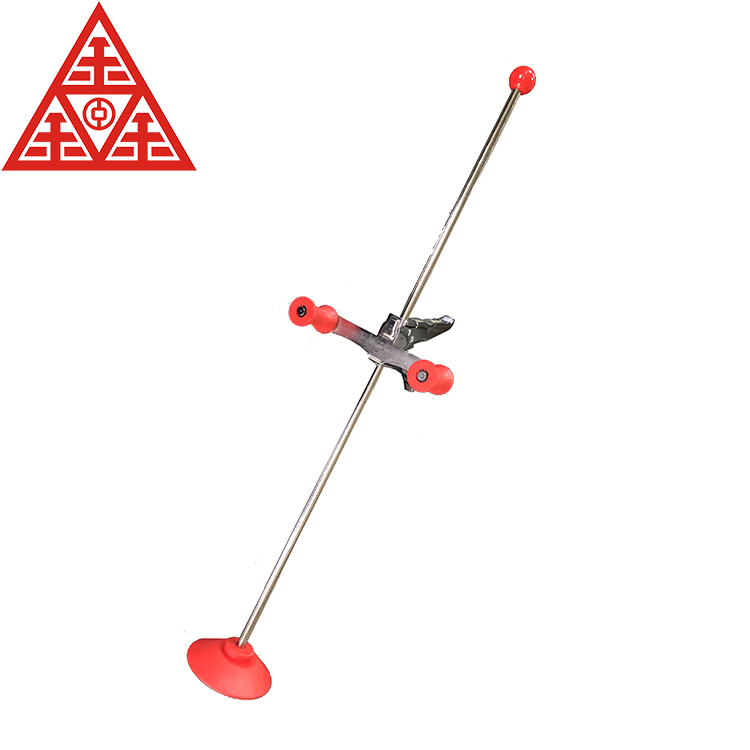
Let us examine the Aluminium Truck Brake Pedal Depressor. These advanced tools offer specific, highly targeted benefits for modern garages.
They are significantly lighter than traditional steel alternatives. This reduces technician fatigue dramatically. Mechanics perform repetitive, awkward tasks daily. Reaching into tight vehicle cabins strains the lower back. A lightweight tool makes this repetitive motion effortless. You can position it using just one hand while holding a diagnostic tablet in the other.
Aluminum also boasts natural corrosion resistance. You do not need thick protective coatings. Paint and powder coats chip over time. Bare steel rusts rapidly when exposed to shop chemicals. Aluminum naturally forms an invisible oxide layer. It stays clean and professional-looking for years, even after surviving chemical spills.
However, you must consider the physical limitations. Aluminum is inherently softer than steel. It suffers from thread galling. The main adjustment rod faces repeated high-torque applications. Over time, aluminum threads can bind together and strip entirely. Gritty shop dirt accelerates this degradation.
Extreme pressure introduces another hidden risk. You might notice micro-flexion. The central shaft bows slightly under heavy hydraulic resistance. This micro-flexion alters the pedal position. During an extended 30-minute leak test, even minor pressure loss creates false diagnostic readings. You must watch out for this in heavy-duty applications.
Where does this tool shine? We recommend aluminum models for specific, high-speed environments. They excel in the following scenarios:
Light-Duty Passenger Vehicle Maintenance: Perfect for standard sedans and crossover SUVs requiring lower pedal force.
Mobile Diagnostic Units: Ideal for road service vehicles where overall cargo weight strictly matters.
Dealership Service Lanes: Great for shops prioritizing tool ergonomics and rapid technician turnaround times.
Quick-Lube Stations: Highly effective for fast, routine brake lighting checks performed by solo operators.
Next, we evaluate the Steel Truck Brake Pedal Depressor. It serves as the undisputed traditional workhorse for heavy automotive bays.
Steel provides unmatched structural rigidity. You experience absolute zero flexion. Technicians often simulate panic-braking pressure on commercial vehicles. Steel holds firm. It refuses to bow, bend, or warp. You can leave a heavy-duty model tensioned overnight. The pedal will not move a single millimeter.
You also gain extreme wear resistance. Threaded components endure incredible shop abuse. Mechanics frequently over-tighten adjustment rods using full body weight. Steel-on-steel threads survive this brutal treatment. They ensure long-term mechanical reliability. You will rarely strip a solid steel shaft, even if grit enters the mechanism.
Steel introduces a few daily operational hurdles. Heavier weight makes positioning much more difficult. You often need two hands to secure the tool properly. Modern cramped cabins make this awkward. Technicians might struggle to wedge the tool quickly without bumping the steering column.
Surface rust presents another constant challenge. Manufacturers apply powder coating or zinc plating. Shop environments are notoriously rough. Tools drop on concrete floors daily. The protective coating chips away. Exposed carbon steel catches moisture from the air. You will see surface rust quickly if left unprotected. Regular cleaning and oiling become mandatory maintenance steps.
Who benefits most from heavy-duty steel? We see clear winners in environments demanding maximum force. Standardize on steel for:
Commercial Fleet Maintenance: Essential for handling the stiff brake return springs found in delivery step-vans.
Heavy-Duty Truck Alignments: Mandatory for Class 8 vehicles requiring massive static pedal pressure.
Industrial Garages: Perfect for environments where rough handling destroys fragile diagnostic tools.
Agriculture and Construction Equipment: Necessary for oversized cabins where tool weight is irrelevant compared to structural survival.
Let us compare the two materials across strict operational dimensions. You need objective data to choose correctly. Do not rely on brand marketing alone.
Steel features a significantly higher modulus of elasticity. What does this scientific term mean for your shop? It resists physical deformation. Steel provides highly reliable static pressure. Aluminum has a much lower elastic modulus. It bends under extreme force. It cannot sustain commercial-grade braking pressure without bowing. When testing an ABS hydraulic control unit, a bowing tool ruins your diagnostic accuracy.
Consider the primary friction point. The tool wedges tightly between the steering wheel (or seat upholstery) and the pedal pad. Lighter aluminum tools are highly agile. You can maneuver them quickly. They significantly reduce the risk of scratching interior dashboard plastics. Heavy steel models feel clunky. If a mechanic drops a heavy steel rod, it might crack a navigation screen or tear leather upholstery. You must exercise strict caution when positioning steel models inside luxury vehicles.
Evaluate the central adjustment mechanism carefully. Shop floors are incredibly dirty. Fine metal swarf, sand, and grit enter the exposed threads. Steel-on-steel threads grind straight through this debris. They outlast softer metals easily. Aluminum threads suffer terribly in gritty environments. They gall under pressure. They bind up permanently. You must clean and lubricate aluminum threads frequently to maintain smooth trigger adjustability.
We summarized these technical dimensions below. Use this comparison table for quick procurement reference.
Evaluation Metric | Aluminum Depressors | Steel Depressors |
|---|---|---|
Structural Rigidity | Moderate (Prone to micro-flexion under heavy loads) | Excellent (Zero flexion even under panic-brake tension) |
Tool Weight & Ergonomics | Lightweight (Easy one-handed maneuverability) | Heavy (Often requires two hands for safe positioning) |
Thread Durability | Low to Moderate (Highly susceptible to thread galling) | High (Extremely resistant to stripping and binding) |
Corrosion Resistance | High (Naturally resists rust via oxidation) | Moderate (Requires an intact powder coat or plating) |
Best Vehicle Application | Sedans, Crossovers, Light Trucks | Class 4-8 Commercial Vehicles, Heavy Duty Trucks |
How do you finalize your tooling vendor? You must match the core material directly to your daily vehicle throughput. Do not buy a tool simply because it looks robust.
Do you primarily service Class 4-8 commercial trucks? If so, standardizing on steel makes the most sense. Commercial brake springs are incredibly stiff. They require massive physical force to depress fully. Aluminum tools often fail under this specific stress. A heavy steel model handles stiffer commercial brake springs effortlessly. It prevents unexpected tool failure during critical hydraulic leakdown tests. You protect your technicians from snapping tools. You also ensure diagnostic accuracy on heavy-duty air-over-hydraulic systems.
Does your independent shop handle high volumes of passenger sedans and light SUVs? You should reconsider heavy steel. An aluminum model works beautifully here. It improves overall technician speed. Mechanics move rapidly from car to car doing routine inspections. Lightweight tools reduce interior scuff risks. You protect expensive leather seats and delicate steering wheels from accidental drop damage. Your staff will appreciate the ergonomic relief during ten-hour shifts.
Always verify manufacturing specifications before buying in bulk. You must check the specific alloy grade. Look for 6061-T6 aluminum. It offers true aerospace-grade strength. Avoid cheap cast aluminum entirely. Cast metals are highly brittle. They snap unexpectedly under tension. Furthermore, inspect the trigger and release mechanism. A high-quality release valve ensures immediate safety. Poorly machined mechanisms jam under pressure, trapping the tool inside the vehicle cabin.
Let us wrap up the material debate. Neither material is universally better than the other. The right choice depends entirely on your specific garage environment and daily vehicle throughput.
Here are your crucial next steps:
Assess your primary vehicle mix. Heavy commercial trucks demand unyielding steel. Passenger cars pair perfectly with lightweight aluminum.
Evaluate your technicians' daily physical routines. High-volume, fast-lube shops benefit greatly from ergonomic, low-weight tools.
Inspect your currently broken tools. If stripped threads represent your main failure point, switch immediately to steel.
Verify material grades rigorously before bulk purchasing. Demand high-yield carbon steel or certified 6061-T6 machined aluminum.
Steel wins decisively on absolute durability. It provides undeniable heavy-duty reliability. Aluminum wins decisively on ergonomics. It offers superior natural corrosion resistance. Review your daily operations carefully. Finalize your tooling vendor based on hard mechanical facts, load requirements, and technician safety.
A: Yes, it can. Cheap cast aluminum tools often bend or snap under extreme commercial loads. CNC-machined aerospace aluminum performs much better and resists bowing. However, solid steel remains the absolute safest and most reliable material for heavy commercial truck applications.
A: The core metal does not directly cause damage. The rubber or polymer protective boots attached to the tool's ends prevent scratching. However, steel is significantly heavier. If a technician accidentally drops a heavy steel tool inside the cabin, the physical impact can easily crack plastic interior trims.
A: You can expect a realistic lifespan of five or more years for a quality steel model. Steel threads survive heavy abuse well. Aluminum models might last significantly less time if the threads are not kept clean and lubricated. Proper daily maintenance extends the operational life of both materials.


