

Views: 0 Author: Site Editor Publish Time: 2025-12-10 Origin: Site
Proper wheel alignment is crucial for vehicle performance, but how do you ensure it's done right? Car alignment turn plates are key to achieving precise adjustments for better handling, tire longevity, and fuel efficiency. In this article, we will walk you through using car alignment turn plates to achieve accurate wheel alignment and maintain them for long-lasting results.
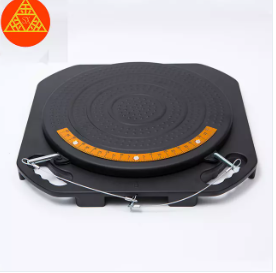
Car alignment turn plates are tools that allow the vehicle's wheels to rotate freely during the alignment process. Typically placed under the tires, these plates provide a smooth surface for the wheels to pivot on. This ensures accurate adjustments when aligning the angles of the wheels.
Alignment turn plates are designed to handle different vehicle weights and types. They are a vital part of the equipment needed to align cars, helping technicians measure and adjust the angles of the wheels correctly.
Turn plates facilitate the precise movement of the vehicle's wheels while the alignment is being adjusted. By allowing the wheels to rotate without resistance, they help in adjusting the caster, camber, and toe angles—essential components in ensuring proper alignment. These adjustments significantly improve vehicle handling and contribute to tire longevity, reducing uneven wear and the need for early tire replacements.
Car alignment turn plates are typically made from two materials: steel and aluminum. Steel is more durable, making it ideal for high-volume workshops. Aluminum, on the other hand, is lighter and corrosion-resistant, making it a good option for mobile mechanics or smaller shops. The material chosen for your alignment turn plates can affect their performance and longevity, so it’s essential to choose one that suits your workshop's needs.
In addition to car alignment turn plates, you will need various tools to ensure a successful wheel alignment. Common tools include:
● Alignment rack: A sturdy platform to hold the vehicle in place while adjustments are made.
● Measuring devices: Tools for measuring wheel angles like camber gauges, toe plates, or laser alignment systems.
● Wheel weights: Used to balance the wheels during alignment.
By ensuring you have all necessary equipment, your alignment process will be efficient and accurate.
Before using the car alignment turn plates, set up your alignment rack. Position the plates where the car's tires will rest, ensuring they are parallel to the vehicle's centerline. The alignment rack should be level to prevent any distortion during the alignment process. Double-check the position to avoid errors that may affect the accuracy of your measurements.
Make sure all the alignment equipment, including the turn plates, is properly calibrated before beginning. Miscalibrated equipment can lead to inaccurate measurements, affecting the overall alignment. Calibration checks should be done regularly to ensure consistency and precision during every alignment job.
The first step is to properly position the vehicle on the alignment turn plates. Align the front wheels so they rest firmly on the plates, ensuring no slippage occurs during the process. Make sure that the rear wheels are also correctly positioned, typically using additional turn plates or measuring tools to prevent any misalignment.
Tip: For accurate results, ensure the vehicle is centered and aligned straight. Misplacement could lead to incorrect readings.
Once the vehicle is positioned on the plates, begin adjusting the alignment angles. Start by adjusting the caster, camber, and toe, which are the primary angles responsible for tire wear and handling. Use the measuring tools to check the current angles and adjust them gradually until they match the manufacturer’s specifications.
The alignment turn plates will help in tracking wheel movements, ensuring the adjustments are precise and uniform across both sides of the vehicle.
After performing the alignment adjustments, it’s crucial to test the vehicle’s alignment. This step ensures that the wheels are correctly aligned. To do this, remove the vehicle from the turn plates and drive it for a short distance. Return to the alignment rack and check the angles again to ensure they have held their position.
Tip: Performing a road test after alignment can help detect any subtle misalignments that may not be visible during the stationary measurement.

Keep your turn plates clean and well-maintained to ensure smooth operation and prevent buildup of dirt or debris that could affect wheel movement. Lubricate the turn plates regularly to minimize friction and wear. Use a quality lubricant designed for automotive equipment to keep everything moving smoothly.
Turn plates are subject to heavy usage, so regular inspection is necessary. Look for signs of wear such as scratches, dents, or uneven surfaces. These can affect the accuracy of your wheel alignment. If you notice any damage, it's essential to replace the turn plates to maintain precision in your work.
Tip: Regularly inspect the plates for any deformities. This can help prevent costly errors during alignment.
If the turn plates become too worn or damaged, they must be replaced. Ensure you select a high-quality replacement, preferably one that matches the material and specifications of your original plates. Failing to replace damaged plates can lead to poor alignment, resulting in unnecessary tire wear and handling issues.
Even when the setup is correct, you may encounter misalignment. Common causes include improper equipment calibration or inaccurate measurements during adjustments. To address this, double-check your tools, ensure the plates are centered, and confirm the vehicle is correctly aligned on the plates.
Uneven rotation can result in inaccurate readings and adjustments. This issue is often caused by dirt, debris, or wear on the plates. Regular cleaning and lubrication can help resolve this problem. If uneven rotation persists, inspect the plates for any deformities or damage that might cause friction or resistance.
Worn-out turn plates can negatively affect the accuracy of wheel alignment. This typically happens when the plates become scratched, dented, or corroded. Regularly inspect your plates, and replace them when necessary to ensure your alignments are as accurate as possible.
Steel turn plates are known for their durability and strength. They can handle the heavy weight of large vehicles and are built to withstand frequent use. If your shop handles high volumes of alignment work, steel plates may be the best option due to their resilience and long lifespan.
Aluminum turn plates are lightweight and portable, making them ideal for smaller shops or mobile mechanics. They are also resistant to corrosion, making them a great choice for environments with high humidity or where rust can be an issue. Aluminum plates offer excellent value for shops with less frequent use.
Here’s a table that summarizes the benefits of steel vs aluminum car alignment turn plates:
Feature | Steel Turn Plates | Aluminum Turn Plates |
Durability | Highly durable and long-lasting | Lightweight but less durable over time |
Portability | Heavy and less portable | Easy to transport and lightweight |
Corrosion Resistance | Prone to rust without maintenance | Naturally resistant to rust and corrosion |
Best Use Case | High-volume, heavy-duty workshops | Smaller shops or mobile mechanics |
Cost | Higher initial cost, but long-lasting | Lower cost, more affordable upfront |
Choosing between steel and aluminum depends on your needs. Steel is great for high-volume, heavy-duty workshops, while aluminum is perfect for portability and corrosion resistance.
In this guide, we’ve covered everything you need to know about using car alignment turn plates to achieve accurate wheel alignment. We’ve walked through the process, from preparation to final testing, and shared tips for maintaining your turn plates to ensure they perform at their best. Proper wheel alignment is crucial for vehicle handling, tire longevity, and overall performance, so investing in high-quality car alignment turn plates from Dfeng is a smart choice for any workshop. By following the steps outlined here, you can ensure your vehicle aligns perfectly every time, leading to better performance on the road and longer-lasting tires.

A: Car alignment turn plates are essential tools used in vehicle alignment. They allow the wheels to rotate freely during adjustments, ensuring accurate wheel alignment for better handling, tire life, and performance.
A: Car alignment turn plates are important because they provide precise wheel movement during alignment. This accuracy helps improve tire longevity, handling, and fuel efficiency, ensuring that vehicles perform optimally.
A: To use car alignment turn plates, position the vehicle correctly on the plates, adjust the alignment angles, and test the vehicle’s alignment after adjustments. This ensures that the wheels are aligned to the manufacturer’s specifications.
A: Car alignment turn plates ensure precise adjustments of wheel angles, improving vehicle handling, reducing tire wear, and extending tire life. They are crucial for maintaining optimal vehicle performance.


