

Views: 0 Author: Site Editor Publish Time: 2026-02-02 Origin: Site
Ever wondered why your car pulls to one side, or why you’re replacing tires more often than expected? The answer might lie in your wheel alignment.
In this article, we’ll dive into what wheel alignment is, why it’s crucial for your vehicle’s performance, and how to spot the signs that your car needs it. You’ll learn how proper alignment can save you money, improve safety, and extend the life of your tires.
Wheel alignment refers to the adjustment of your vehicle's suspension system to ensure that all four wheels are positioned correctly. This involves adjusting the angles of the wheels according to the manufacturer's specifications. While many people mistakenly think wheel alignment only affects the tires, it is actually the suspension system—the components that connect the wheels to the car—that needs adjustment. Misalignment occurs when these angles deviate from the manufacturer’s ideal specifications, which can lead to various issues such as uneven tire wear, poor handling, and lower fuel efficiency.
Proper wheel alignment ensures that your vehicle's wheels work together, optimizing the way the tires contact the road. With correct alignment, tires wear evenly, handling improves, and fuel efficiency increases. Without it, you could be driving with unnecessary strain on your suspension, leading to faster tire wear, more frequent repairs, and higher fuel consumption.
The suspension system is a vital component of any vehicle. It is responsible for connecting the car’s wheels to the body, ensuring a smooth ride and stable handling. When your vehicle’s suspension is correctly aligned, it allows the wheels to make contact with the road evenly. This ensures that the tires wear uniformly, enhancing both tire life and overall vehicle performance.
Misalignment, however, puts additional stress on your suspension. For example, improperly aligned wheels can cause the car to pull to one side or make the steering wheel harder to control. This can create uncomfortable driving experiences and even put your safety at risk. Additionally, misalignment affects the longevity of other suspension components, such as the shock absorbers and struts, which can result in costly repairs if not addressed in a timely manner.
Wheel alignment is measured by three main angles: camber, toe, and caster. These angles dictate how your wheels are positioned in relation to each other and the road surface.
Angle | Description | Impact of Misalignment |
Camber | The inward or outward tilt of the tire when viewed from the front. | Misalignment of camber leads to uneven tire wear, causing the tire edges to wear more quickly than the center. |
Toe | The inward or outward direction the tires are pointing when viewed from above. | Misaligned toe causes excessive wear on the tire edges, which leads to a higher risk of tire blowouts. |
Caster | The angle of the steering pivot, which affects the vehicle’s stability and steering return. | Improper caster alignment can lead to unstable steering and difficulty in keeping the car straight. |
Each of these angles plays a crucial role in ensuring your car’s wheels are aligned correctly. Misalignment in any of these areas can significantly affect your vehicle's handling, safety, and tire lifespan.
Proper wheel alignment is essential for prolonging the lifespan of your tires. When your wheels are aligned correctly, the tires make consistent, even contact with the road surface. This helps distribute the wear evenly across the tire’s tread, preventing certain areas from becoming overly worn out. Misalignment, however, can cause some parts of the tire to wear faster than others, leading to early tire replacements.
For example, if your car’s wheels are tilted inward or outward, the tread on the inside or outside of the tire can become excessively worn, even while the rest of the tire remains in good condition. This uneven wear not only shortens the tire's life but can also affect the overall handling and safety of the vehicle. Regular wheel alignments help avoid such problems and ensure that your tires last longer, ultimately saving you money on tire replacements.
One of the more overlooked effects of misalignment is its impact on fuel efficiency. Misaligned wheels increase rolling resistance, which means your engine has to work harder to maintain the same speed. This increased effort leads to more fuel consumption, making your car less efficient and causing you to spend more money on gas.
A small misalignment of even one wheel can create enough rolling resistance to reduce fuel efficiency significantly. If you want to maximize your fuel economy, regular wheel alignments are an easy and cost-effective way to reduce drag and ensure that your car runs at optimal efficiency. This is particularly important as fuel prices continue to rise, and every little bit of savings can add up over time.
Misalignment can seriously affect your vehicle’s handling, especially when you’re driving at high speeds or navigating sharp turns. For example, if your car is pulling to one side, it may be harder to maintain control, especially in emergency situations. A misaligned car can be difficult to steer, increasing the risk of accidents.
Proper alignment ensures that your car handles smoothly and predictably. This is especially important in high-stress situations, such as when you're driving on highways or making quick maneuvers. Aligning your wheels helps improve the overall stability of the vehicle, making it easier to steer and reducing the likelihood of losing control.
One of the most obvious signs that your vehicle might need an alignment is uneven or rapid tire wear. If certain areas of your tires wear down faster than others, or if you notice unusual patterns like cupping (dips around the tread), it’s time for an alignment. Misalignment can cause the tire to contact the road unevenly, which leads to certain parts of the tire becoming excessively worn.
If your steering wheel feels off-center or vibrates while driving straight, it’s another indicator that your vehicle’s alignment may be off. Misalignment often causes the steering wheel to be misaligned with the car’s direction of travel, leading to a lack of control. It’s especially noticeable when driving on straight roads—if the wheel constantly drifts to the left or right, it’s time for an alignment check.
Tip:When you experience steering wheel vibrations or an off-center wheel, it’s crucial to get an alignment check right away to avoid further damage to your tires and suspension system.
If your vehicle drifts to the left or right while you are driving straight, this is a clear sign of misalignment. Misaligned wheels cause the vehicle to pull to one side, which makes it difficult to steer in a straight line. If left unaddressed, this can cause excessive tire wear, increase the risk of accidents, and make the car more difficult to control.
Driving over large potholes or hitting curbs can knock your vehicle’s suspension out of alignment. It’s a good idea to have your alignment checked after such incidents, as the impact can cause the suspension angles to shift. Even if you don’t notice immediate issues with handling, getting the alignment checked can prevent further damage to your tires and suspension system.
The process of wheel alignment begins with a thorough inspection of the vehicle’s suspension system. The technician will check for any visible damage or signs of wear that may affect alignment. Afterward, the alignment angles—camber, toe, and caster—will be adjusted using specialized computerized equipment. Finally, the technician will perform a test drive to ensure that the vehicle handles smoothly and that the alignment is correct.
Modern alignment shops use advanced computerized equipment that measures the angles of your wheels precisely. This equipment compares the current alignment to the manufacturer's specifications and adjusts the angles accordingly. The use of this technology ensures a highly accurate alignment, which minimizes the risk of further issues.
While some vehicle owners may consider attempting wheel alignment on their own, it’s a task best left to professionals. Alignment requires specialized equipment and precise measurements that only trained technicians can provide. Professional alignment checks ensure that your vehicle is properly aligned, preventing unnecessary wear and tear on your tires and suspension system.
It is generally recommended to have your wheel alignment checked every 6,000 miles or once a year. However, if you often drive on rough roads, encounter potholes frequently, or notice any of the symptoms of misalignment, it’s wise to check your alignment more often.
● New Tires: Always have your alignment checked when installing new tires to ensure they wear evenly.
● Driving Conditions: If you frequently drive on rough or unpaved roads, get your alignment checked more frequently.
● After Incidents: If you hit a large pothole or curb, it’s a good idea to get your alignment checked to avoid long-term damage.
Wheel alignment plays a vital role in vehicle performance, safety, and tire longevity. Proper alignment ensures smooth handling, reduces tire wear, and improves fuel efficiency. Misalignment, however, can cause discomfort, safety risks, and unnecessary expenses.
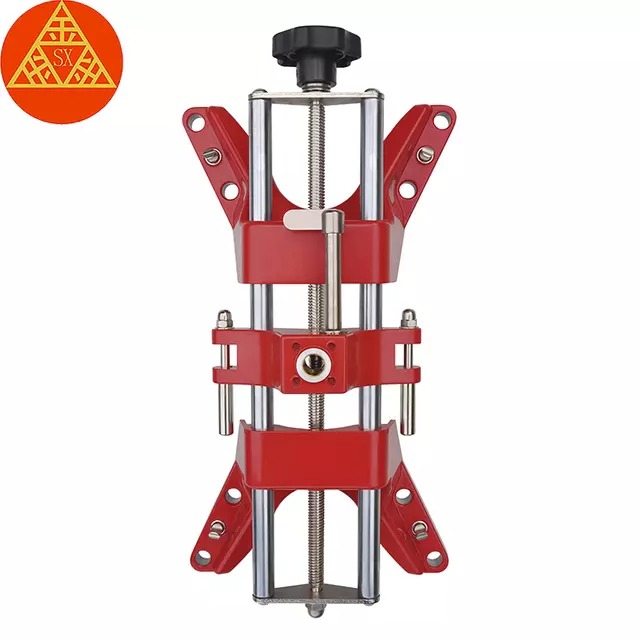
By addressing misalignment promptly, you can extend the life of your tires and enhance your driving experience. At Dongguan Shengxin Metal products Co.,Ltd., we provide high-quality wheel alignment accessories designed for precision and durability. With our innovative products, you can ensure optimal vehicle performance and enhance customer satisfaction.
A: Wheel alignment refers to the adjustment of a vehicle's suspension system to ensure the wheels are properly aligned with each other and the road. Proper alignment ensures smooth handling, reduces tire wear, and improves fuel efficiency.
A: Wheel alignment is important because it extends tire life, enhances driving comfort, and improves vehicle safety. Misalignment can lead to uneven tire wear, poor handling, and increased fuel consumption.
A: It is recommended to check wheel alignment every 6,000 to 10,000 miles or whenever you notice signs of misalignment, such as uneven tire wear or pulling to one side.
A: Misaligned wheels increase rolling resistance, forcing the engine to work harder and consume more fuel. Proper wheel alignment helps reduce this resistance, improving fuel efficiency.
A: Common signs include uneven tire wear, steering wheel vibration, pulling to one side while driving, or an off-center steering wheel when driving straight.


