

Views: 0 Author: Site Editor Publish Time: 2026-01-06 Origin: Site
Have you ever wondered how safe Car Wheel Alignment Clamps are during use? While they play a crucial role in vehicle maintenance, it’s essential to understand their safety features.
In this article, we’ll explore how these clamps work, the potential safety risks, and how to ensure safe usage. You’ll learn how to prevent accidents and ensure the clamps function safely and effectively.
Car Wheel Alignment Clamps are designed to hold a vehicle’s wheels in place while the alignment technician adjusts the wheel angles. This secure hold is crucial in ensuring precise measurements and adjustments, as even slight movements of the vehicle can lead to misaligned wheels and inaccurate results.
The clamp is applied to the wheel's rim, locking it in place while the alignment equipment measures various angles such as camber, caster, and toe. The safety of this process lies in the clamp’s ability to keep the vehicle’s wheels stable during these adjustments.
There are two main types of Car Wheel Alignment Clamps used in professional workshops: Manual Clamps and Self-locking Clamps. Each offers specific safety features suited to different environments and needs:
| Type of Clamp | Description | Safety Features | Pros | Cons |
|---|---|---|---|---|
| Manual Clamps | Requires manual adjustment to secure wheels | Relies on technician's accuracy; risk of human error | Affordable, simple design, widely available | Prone to errors if improperly used |
| Self-locking Clamps | Automatically secures wheels with a self-locking mechanism | Reduces the chance of human error; maintains secure hold | More secure, reduces installation time and error | Higher cost compared to manual clamps |
Each type of clamp comes with its own set of safety features designed to prevent accidental slips or incorrect adjustments, improving the overall safety of the alignment process.
Tip: Choosing the right type of clamp for your workshop can enhance both the safety and efficiency of your alignment processes.
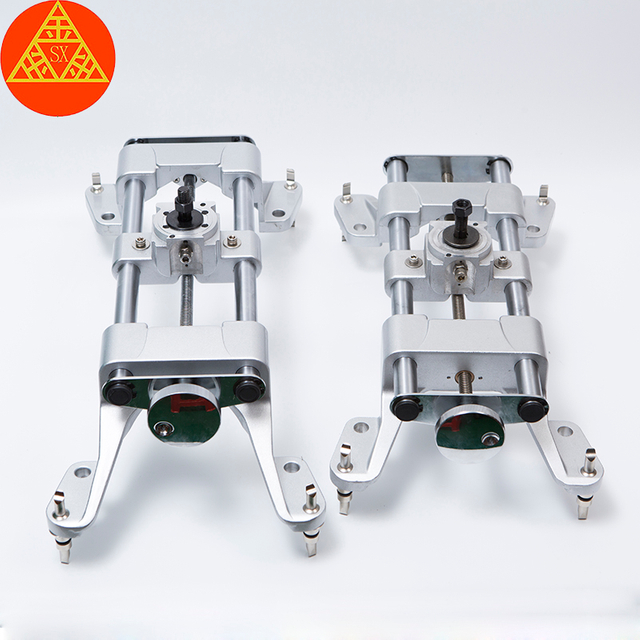
One of the primary safety concerns with Car Wheel Alignment Clamps is ensuring the vehicle remains stable during the alignment process. A stable vehicle is essential to achieving accurate readings and preventing accidents. If a clamp fails or isn't properly applied, the vehicle can shift, causing misalignments or even injury to the technician.
The clamps must be strong enough to handle the pressure applied during adjustments, and they must lock the wheels securely without causing any damage to the tires or rims. A failure in this system could lead to dangerous situations, particularly when aligning large or heavy vehicles.
Improper installation or lack of maintenance is another critical safety concern. Car Wheel Alignment Clamps require periodic inspection and maintenance to ensure they function correctly. If the clamps are worn out, corroded, or improperly installed, they may fail to secure the vehicle correctly, leading to potential accidents.
It’s crucial to regularly check clamps for any signs of wear or damage, especially after heavy use. Ensuring that all components are tight and properly aligned will reduce the chances of a clamp malfunctioning during the alignment process.
In busy workshops, where wheel alignment is performed frequently, the risk of workplace hazards increases. Car Wheel Alignment Clamps can pose safety risks if the alignment equipment isn’t used properly, or if the workspace is cluttered, leading to accidents.
Moreover, technicians need to be trained to use these tools correctly. Even with high-quality clamps, improper usage, such as applying the wrong amount of pressure or forgetting to secure the vehicle properly, can result in accidents.
Tip: Regular safety training and workspace organization are key factors in minimizing accidents related to Car Wheel Alignment Clamps.
To ensure the safe use of Car Wheel Alignment Clamps, it is essential to follow a set of proper usage guidelines. Technicians should always follow the manufacturer’s instructions for installation and usage. Here are a few tips to ensure proper usage:
Double-check that the clamp is securely attached to the wheel before beginning the alignment process.
Ensure that the clamp is compatible with the wheel size and type to avoid uneven pressure on the rims.
Avoid overtightening the clamp, as excessive force can damage the wheel or cause malfunction.
By following these guidelines, technicians can minimize the risks associated with Car Wheel Alignment Clamps and ensure safety during the alignment process.
To maintain the safety of Car Wheel Alignment Clamps, regular maintenance and inspection are necessary. Routine checks should include:
Inspecting the clamps for wear and tear, including any rust or corrosion that could weaken their strength.
Ensuring all moving parts, such as locking mechanisms and self-locking systems, are functioning properly.
Testing the alignment system periodically to ensure that all components are calibrated correctly.
By adhering to a regular maintenance schedule, you can prolong the life of your clamps and reduce the risk of safety issues.
Proper training is essential for ensuring the safety of Car Wheel Alignment Clamps. Technicians should be well-versed in the proper techniques for securing the vehicle’s wheels, using the clamps, and conducting wheel alignments. Training should cover:
How to properly set up and adjust the clamps for different vehicle types.
How to troubleshoot common issues that may arise during alignment.
Safety protocols for handling the alignment equipment and the vehicle.
Regular training will help prevent errors caused by inexperience and ensure that technicians can perform alignments safely and efficiently.
Investing in technician training will not only improve safety but also boost the accuracy and efficiency of your alignment services.
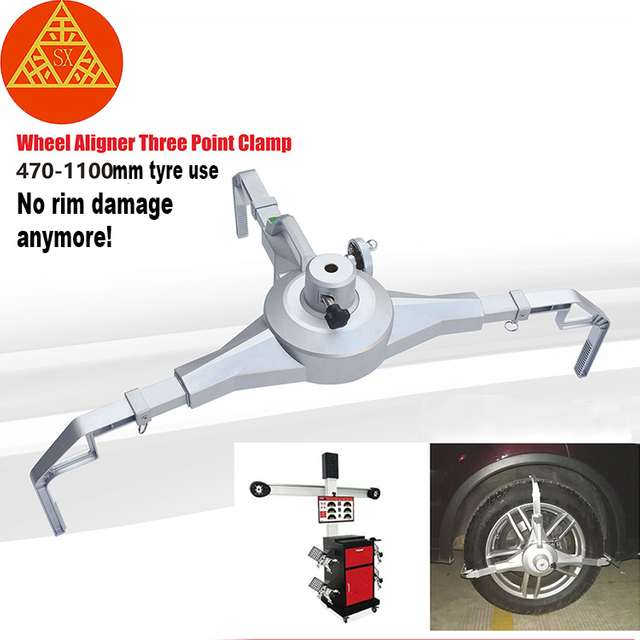
Manual Car Wheel Alignment Clamps are reliable and commonly used in smaller shops. They are generally safe when used correctly but require more attention to detail during installation. The risk lies in human error—if not applied correctly, the vehicle may shift during the alignment process.
Self-locking Car Wheel Alignment Clamps provide a higher level of safety compared to manual clamps. The self-locking mechanism ensures that the clamp automatically secures the wheel with precise pressure, reducing the chances of human error. These clamps offer a more secure hold, especially in high-demand environments like busy workshops.
For maximum safety and accuracy, investing in self-locking clamps may be beneficial for high-volume or high-precision workshops.
Car Wheel Alignment Clamps are crucial for vehicle alignment but require careful handling to ensure safety. This article explored their working mechanism, safety concerns, and maintenance tips. Proper usage and regular checks are key to preventing accidents. Dongguan Shengxin Metal Products Co., Ltd. offers high-quality manual wheel alignment clamps and self-locking wheel alignment clamps, ensuring precision and safety for all your alignment needs.
Q: How safe is a Car Wheel Alignment Clamp?
A: Car Wheel Alignment Clamps are generally safe when used properly. They securely hold the vehicle in place during alignment, ensuring accurate results and minimizing the risk of accidents.
Q: What are the main safety concerns with Car Wheel Alignment Clamps?
A: The primary safety concerns involve ensuring the clamp is correctly installed and maintained. Poor maintenance or improper use can lead to the vehicle shifting, causing misalignments or accidents.
Q: How do self-locking Car Wheel Alignment Clamps improve safety?
A: Self-locking Car Wheel Alignment Clamps automatically apply the correct amount of pressure, reducing the risk of human error and ensuring a stable hold during the alignment process, enhancing overall safety.
Q: What maintenance is required to ensure the safety of Car Wheel Alignment Clamps?
A: Regular inspection and maintenance are crucial. Ensure the clamps are free from rust, wear, or damage, and check that locking mechanisms function correctly for safe usage.
Q: Are self-locking Car Wheel Alignment Clamps safer than manual ones?
A: Yes, self-locking Car Wheel Alignment Clamps are safer due to their automatic adjustments, ensuring a consistent and secure hold, reducing the likelihood of user error.


