

Views: 0 Author: Site Editor Publish Time: 2026-02-09 Origin: Site
How do you choose the right wheel alignment accessories for your shop? With so many options available, it can be overwhelming. But choosing the right equipment is crucial for accurate and efficient wheel alignment.
In this article, we’ll guide you through the key factors to consider when selecting wheel alignment accessories. You’ll learn how to evaluate the equipment based on your shop’s needs, vehicle types, and future ADAS compatibility.
Before making any purchases, it's essential to know the types of vehicles you'll be working with most frequently. Whether your shop handles small passenger cars, large SUVs, or heavy-duty trucks, the wheel alignment accessories you choose must accommodate your vehicle mix.
For example, if your shop specializes in trucks and commercial vehicles, you will need accessories with higher weight capacity and durability. On the other hand, a shop dealing with smaller vehicles may prioritize speed and efficiency in alignment.
Tip:Consider your shop's typical vehicle mix and adjust your equipment choices to avoid unnecessary expenses on accessories that won't be used frequently.
The frequency of wheel alignments in your shop will dictate the types of accessories you need. A high-volume shop will benefit from accessories that reduce setup time, while a low-volume shop may prioritize cost-effectiveness over speed.
When selecting alignment accessories, think about how quickly the alignment process needs to be completed. High-volume shops will need equipment that supports faster alignment, such as self-centering wheel alignment clamps and quick-release targets.
Ensure that your shop has enough space to accommodate the alignment accessories you intend to purchase. Large turntables, ramps, and lifting equipment need sufficient room for operation.
If your shop has limited space, consider investing in mobile wheel alignment accessories, which allow technicians to move equipment easily without compromising on precision.
Note:Investing in compact, mobile equipment for smaller shops can help maximize workspace and improve technician efficiency.
When selecting wheel alignment accessories, always consider the return on investment (ROI). It’s not just about purchasing the cheapest tools—it’s about how long the equipment lasts, how often it needs maintenance, and the labor time it saves. Accessories that help improve alignment accuracy will reduce the likelihood of comebacks and reduce repair costs in the long run.
Tip:Look at the total cost of ownership (TCO) rather than just the initial price. Consider factors like durability, maintenance, and how much time and money it saves in the long term.
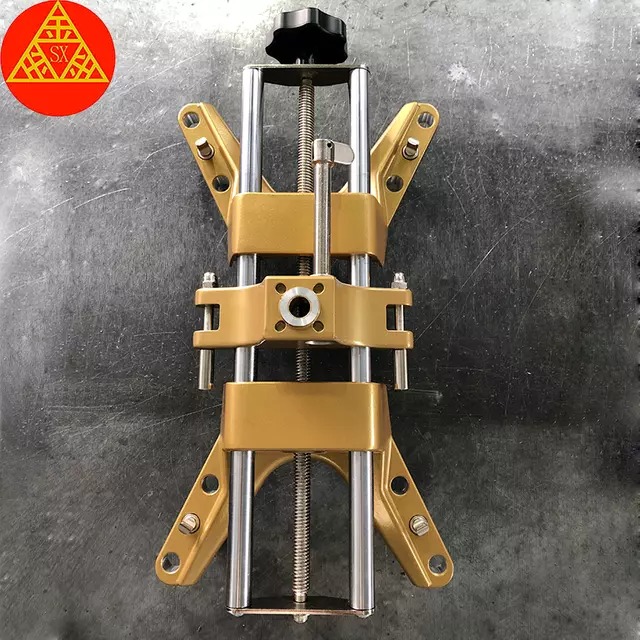
The first essential accessory to invest in is the wheel alignment clamp and target system.Wheel alignment clamps should have non-marring contact points to avoid damaging expensive tires and rims. Targets that can adjust quickly and repeatably will ensure that you can consistently achieve accurate alignment readings.
High-quality wheel alignment clamps should be easy to install and remove, and they should provide stable mounting during measurements. Look for self-centering or locking mechanisms that speed up the setup process and reduce human error.
Feature | Benefit | Why It's Important |
Non-marring contact points | Protects tire rims from damage | Avoids costly repairs and tire replacements. |
Self-centering design | Quick and easy setup | Reduces time spent adjusting, improving workflow. |
Locking mechanism | Stabilizes wheel position | Ensures repeatable, accurate measurements. |
Turnplates are used to simulate steering angles during alignment. For precise handling, choose turnplates with a high weight capacity that match your heaviest vehicles. Slip plates, which allow the vehicle to move freely, should be chosen for their smooth operation, as friction can negatively affect alignment results.
A high-quality turnplate system will minimize errors during measurements, reducing the need for recalibration and improving the overall efficiency of the alignment process.
Tip:If you're working with a wide variety of vehicles, ensure that your turnplates are compatible with both passenger vehicles and heavier trucks to avoid purchasing additional equipment later.
Steering wheel holders are designed to keep the wheel centered during the alignment process. This accessory is particularly crucial for preventing the wheel from turning, which could lead to inaccurate measurements. Choose models that are easy to install, lightweight, and offer adjustable sizes to fit different steering wheels.
Look for steering wheel holders with soft-touch padding or rubberized surfaces to protect the wheel from damage. Quick-install models are ideal for reducing technician time and increasing overall workflow efficiency.
Note:Investing in high-quality steering wheel holders can prevent “crooked wheel” issues, which are a common reason for alignment comebacks.
Brake pedal depressors are used to keep the vehicle’s brake system engaged during the alignment process. This accessory prevents the car from rolling or shifting, ensuring that all measurements are accurate. It’s important to choose a depressor that fits a wide range of vehicles, as this will allow you to handle various makes and models without purchasing additional accessories.
Look for adjustable models with anti-slip pads to ensure that the brake pedal depressor holds the brake in place securely, without slipping or moving during alignment.
Calibration tools are vital for maintaining the accuracy of your alignment system. Regular calibration ensures that your equipment remains in line with manufacturer specifications, reducing the risk of errors that could affect the outcome of your alignment process.
Ensure your calibration tools are compatible with your alignment system and can be used with both 2D and 3D camera-based alignment systems.
Calibration Tool | Benefit | Why It's Essential |
Manual Calibration Kits | Ensures accurate, manual adjustments | Prevents measurement errors from creeping in over time. |
Automated Calibration Systems | Saves time by providing self-adjusting accuracy | Reduces human error and improves system reliability. |
Runout refers to the difference between the ideal alignment and the actual position of the wheels. High-quality wheel alignment clamps and targets help reduce runout by providing more precise readings. When selecting alignment accessories, prioritize technology that reduces the need for runout compensation, as this will save valuable time during the alignment process.
Look forwheel alignment clamps and targets made from lightweight materials such as aluminum or high-strength plastic. These materials are durable enough to withstand daily use, but light enough to make setup and adjustments easy. Ensure that the wheel alignment clamps feature non-marring designs to avoid damage to the wheels.
To speed up the alignment process, choose accessories that offer quick-release and self-centering features. These features make it easier to set up and reduce the chance of operator error, allowing your shop to complete alignments faster and more accurately.
As vehicle technology evolves, many shops are moving toward 3D camera-based alignment systems. Ensure that your wheel alignment clamps, targets, and other accessories are compatible with these advanced systems to future-proof your setup.
When selecting turnplates, choose models with a sufficient weight capacity to handle the vehicles in your shop. Passenger cars and SUVs will require less capacity than commercial trucks, so ensure you select equipment that meets the needs of your entire vehicle range.
Turnplates should operate smoothly to avoid interference with the caster and steering angle measurements. If the turnplate is difficult to rotate or doesn’t lock into place correctly, it can cause inaccuracies during the alignment process. Look for systems that are designed to handle precise steering angle readings without resistance.
Ensure that your lifts are compatible with the alignment equipment you’ve chosen. Additionally, consider the space and layout in your shop, as proper placement of lifts, turnplates, and targets will improve the workflow and reduce time spent on each alignment.
Slip plates are especially useful for reducing friction and ensuring smooth alignment measurements. When your alignment equipment is properly installed and working together, it will help minimize the risk of inaccuracies and improve your shop’s efficiency.
Tip:Ensure that your lift, turnplate, and slip plate systems are compatible and can be moved easily to accommodate various types of vehicles.
As vehicles increasingly rely on ADAS (Advanced Driver Assistance Systems), your alignment equipment will need to support ADAS calibration. Choose accessories that can accommodate ADAS target placement, as these systems often require precise alignment to function properly.
To support ADAS calibration, your wheel alignment accessories must be able to accommodate target placement accurately. Look for systems with precise target hold mechanisms and consistent repeatability to ensure your equipment can handle the demands of modern vehicles.
As ADAS calibration becomes more common, ensure that your shop layout accommodates dedicated calibration zones. This will help ensure safe, effective calibration while maintaining workflow efficiency.
Finally, ensure that your accessories are compatible with the latest software updates and have reliable customer support. Regular updates will keep your equipment in line with evolving ADAS technologies.
When choosing suppliers, it's essential to select those that provide the following:
● Comprehensive Training: Ensures your team can operate the equipment effectively and efficiently, reducing errors and downtime.
● Ongoing Technical Support: Provides assistance when problems arise, minimizing disruptions to your workflow.
● Easy Access to Spare Parts: Ensures that replacement parts are readily available, keeping the equipment running smoothly without long delays.
Don’t just focus on the price. Here are some key factors to consider:
● Durability: Evaluate the build quality of the equipment to ensure it can withstand frequent use.
● Warranty Terms: Look for warranties that cover repairs or replacements, giving you peace of mind and protecting your investment.
● Service Response: Compare how quickly customer service can respond to issues. A fast response time helps minimize downtime and prevent delays in your shop.
Creating a maintenance plan for your wheel alignment accessories is essential to keep everything in working order. Here’s how:
● Schedule Regular Inspections: Conduct routine checks to identify potential issues early.
● Perform Preventative Maintenance: Regularly clean, lubricate, and calibrate equipment to avoid breakdowns.
● Keep Spare Parts On-Hand: Ensure that commonly used parts are available for quick replacement, reducing repair time.
When choosing alignment accessories, take into account all factors that affect the total cost:
● Initial Purchase Price: The upfront cost of the equipment.
● Maintenance and Repair Costs: Factor in regular maintenance, parts replacements, and any potential repairs over the equipment's lifespan.
● Training and Support Expenses: Include costs for ongoing training and technical support to ensure your staff is well-prepared to use the equipment.
Choosing the right wheel alignment accessories is essential for ensuring precision and efficiency in your shop. By evaluating your shop's needs, vehicle types, and alignment speed, you can make informed decisions. Quality accessories, such as wheel alignment clamps, turnplates, and brake pedal depressors, help improve your workflow, reduce errors, and provide long-term value.
At Dongguan Shengxin Metal products Co.,Ltd., we offer high-quality wheel alignment accessories that are designed for durability, precision, and ease of use. Our products help enhance the accuracy of your wheel alignments, improving customer satisfaction and reducing costly mistakes.
A: Wheel alignment accessories are tools used to ensure the proper alignment of a vehicle's wheels. These include wheel alignment clamps, targets, turnplates, steering wheel holders, and brake pedal depressors, all designed to help achieve precise and repeatable alignment.
A: When choosing wheel alignment accessories, consider your shop's vehicle mix, alignment volume, and workflow speed. Prioritize quality accessories that match your specific needs, such as adjustable wheel alignment clamps for various tire sizes and durable turnplates for heavy-duty vehicles.
A: Accurate wheel alignment accessories are essential for ensuring precise alignment, which extends tire life, improves fuel efficiency, and enhances vehicle safety. Without them, you risk errors, uneven tire wear, and poor handling.
A: The cost of wheel alignment accessories varies based on the type and quality of the equipment. Basic tools like wheel alignment clamps and steering wheel holders may be more affordable, while advanced systems with 3D cameras or automated targets can cost significantly more.


