

Views: 0 Author: Site Editor Publish Time: 2025-12-15 Origin: Site
Choosing the right car alignment turn plates can make all the difference in your vehicle's performance. Without the proper plates, alignment tasks can become inaccurate, leading to costly repairs. In this article, you will learn how to choose the best car alignment turn plates based on your workshop size, vehicle types, and material preferences.

Car alignment turn plates are essential devices used in the vehicle alignment process. They are typically placed under the vehicle’s tires and enable the wheels to rotate freely while adjustments are being made. This rotation allows technicians to measure and adjust key angles, such as caster, camber, and toe, which are crucial for ensuring the vehicle’s wheels are properly aligned.
Alignment turn plates are designed to provide a smooth surface for the vehicle’s tires to pivot on. This helps achieve precise movement during the alignment process, ensuring that each wheel is adjusted to the correct angle. Without turn plates, wheels would be restricted, leading to inaccurate measurements and poor adjustments.
When choosing car alignment turn plates, it’s important to consider several key features that ensure high performance and durability:
● Smooth and Durable Surface: The surface of the turn plates must be smooth to allow free and uninterrupted wheel rotation. This ensures minimal friction during the alignment process, enabling more precise adjustments and better handling.
● Accurate Rotation: Turn plates must rotate smoothly and accurately to allow for correct adjustments of wheel angles. This precision is crucial to avoid errors in the alignment process that could negatively impact vehicle handling and tire wear.
● High Weight Capacity: Car alignment turn plates should be able to support the weight of different vehicle types, from smaller cars to larger trucks, without distorting or affecting the alignment accuracy. This feature ensures that the plates can handle varying loads over time without compromising their functionality.
● Material Quality: The material used in turn plates—typically steel or aluminum—directly impacts their durability and performance. Steel offers more robustness and longevity, making it suitable for high-volume, heavy-duty work. Aluminum, on the other hand, provides portability and corrosion resistance, making it ideal for smaller or mobile shops.
When selecting the right car alignment turn plates, consider the size of your workshop and how often you perform alignments. High-volume workshops may require more robust and durable plates, like steel ones, while smaller shops or mobile mechanics might benefit from lighter, more portable aluminum plates.
The material of your car alignment turn plates plays a significant role in durability, weight, and portability.
● Steel plates are durable and ideal for high-volume shops that require heavy-duty use. They can withstand regular wear and tear and are perfect for handling large vehicles.
● Aluminum plates are lighter and more portable, making them ideal for small shops or mobile mechanics. They are also corrosion-resistant, which makes them suitable for humid environments.
Consider the types of vehicles you will be aligning. Larger vehicles, such as trucks or SUVs, require turn plates that can handle heavier weights. In contrast, smaller cars can use lighter plates without compromising the alignment process. Be sure to choose turn plates that match the weight capacity required for your workshop’s vehicle range.
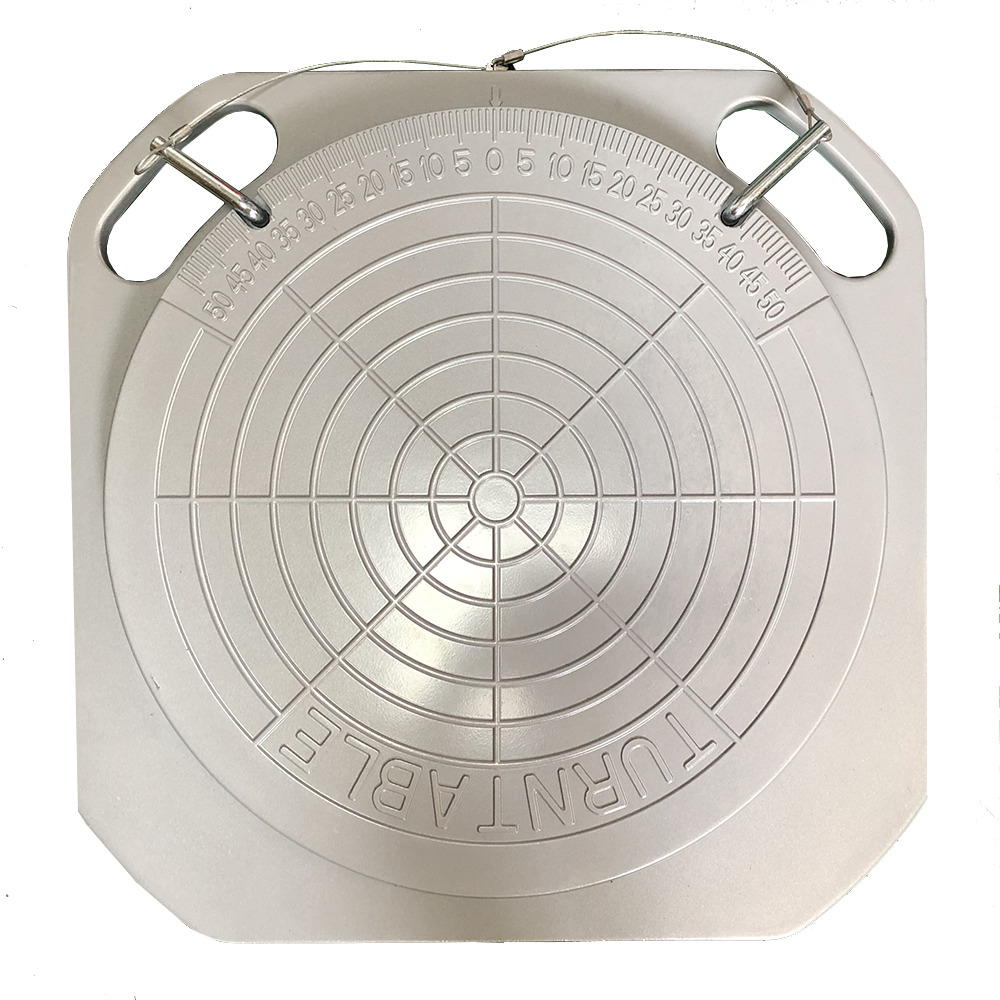
Steel turn plates are known for their strength and durability. They are ideal for high-volume shops that align large vehicles regularly. Steel’s robust nature makes it resistant to wear and tear, ensuring that the plates last longer and continue to perform accurately.
Aluminum turn plates are lighter and more portable, making them a great option for mobile mechanics or smaller workshops. Their corrosion resistance also makes them ideal for environments where moisture or humidity is an issue. Though they may not be as durable as steel, they still offer excellent performance in less demanding settings.
Choosing between steel and aluminum depends on your specific needs. Steel plates are best for high-volume shops or heavy-duty work, while aluminum plates provide the best value for portability and corrosion resistance. Understanding the type of work you do and the vehicles you service will help you make the right decision.
Feature | Steel Turn Plates | Aluminum Turn Plates |
Durability | Highly durable and long-lasting | Lightweight but less durable over time |
Portability | Heavy and less portable | Easy to transport and lightweight |
Corrosion Resistance | Prone to rust without maintenance | Naturally resistant to rust and corrosion |
Best Use Case | High-volume, heavy-duty workshops | Smaller shops or mobile mechanics |
Cost | Higher initial cost, but long-lasting | Lower cost, more affordable upfront |
Choosing the right material—steel or aluminum—depends on your workshop's volume, vehicle types, and specific needs.
Before using car alignment turn plates, it’s essential to ensure your alignment system is properly calibrated. Calibration ensures that the measurements taken during the alignment process are accurate and reliable. Poor calibration can lead to inaccurate adjustments, which may affect vehicle handling and tire wear.
To ensure accurate wheel alignment, the vehicle must be positioned correctly on the turn plates. Make sure the tires are centered and that the vehicle is aligned straight on the turn plates. Misalignment during positioning can cause the alignment measurements to be off, leading to poor adjustments.
Once the alignment has been completed, it’s important to test the vehicle’s alignment to ensure it holds. Remove the car from the turn plates and drive it for a short distance, then return to the alignment rack to verify the adjustments. This ensures that the alignment has been done correctly and remains accurate after driving.
To maintain the performance of your car alignment turn plates, regular cleaning and lubrication are necessary. Dirt, debris, and friction can affect the smooth movement of the wheels during the alignment process. Clean your turn plates frequently, and apply lubrication to keep everything running smoothly.
Over time, turn plates will experience wear and tear due to frequent use. It’s important to inspect them regularly for signs of damage, such as dents, scratches, or corrosion. Worn plates may lead to inaccurate wheel alignment, which can negatively impact vehicle performance.
Tip: Set a schedule to inspect your turn plates for wear and replace them if necessary to maintain alignment accuracy.
If you notice significant damage or wear, it's crucial to replace your car alignment turn plates. Continuously using damaged plates can compromise your alignment results and ultimately affect the performance of the vehicle. Ensure that replacements meet the same quality standards as the original ones.
Uneven rotation on turn plates can affect the accuracy of wheel alignment adjustments. This issue is usually caused by dirt, debris, or worn-out plates. Regular cleaning and lubrication can help prevent this issue.
If you’re noticing misalignment even after properly setting up the vehicle, it could be due to poor calibration or incorrect measurement tools. Double-check your equipment and ensure that the vehicle is correctly positioned on the turn plates.
Friction or resistance during wheel rotation on the turn plates can lead to inaccurate alignment. This can occur if the plates are damaged or not properly lubricated. Inspect the plates and lubricate them to reduce friction and improve accuracy.
Tip: Use automotive-specific lubricants and inspect the plates for signs of damage to prevent friction issues.
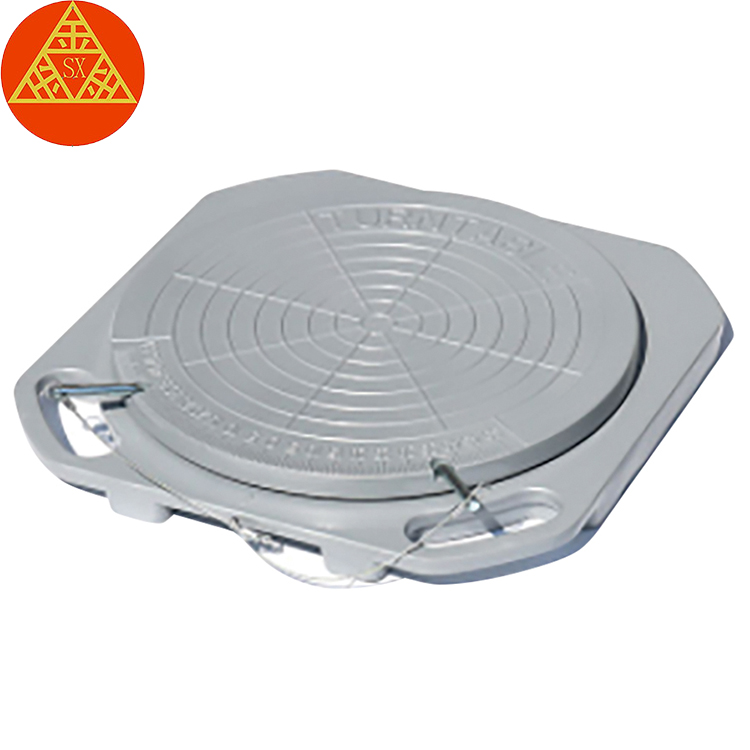
Choosing the right car alignment turn plates for your needs is crucial for accurate and efficient wheel alignment. Understanding the different material options, vehicle types, and factors like workshop size will help you make an informed decision. Regular maintenance and careful calibration are key to ensuring your turn plates perform at their best. By investing in quality turn plates, you can ensure that your alignment processes are precise and your vehicles remain in top condition.When selecting car alignment turn plates, consider your workshop’s specific needs. For reliability, durability, and superior performance, consider Dfeng car alignment turn plates to make your alignment tasks smoother and more accurate.
A: Car alignment turn plates are tools used in vehicle alignment to allow wheels to rotate freely during adjustments, ensuring precise caster, camber, and toe angles for accurate alignment.
A: Car alignment turn plates are crucial for achieving accurate wheel alignment, which improves vehicle handling, tire longevity, and overall performance by ensuring proper wheel angles.
A: Consider factors like workshop size, vehicle types, and material preferences. Steel plates are ideal for high-volume shops, while aluminum plates offer portability and corrosion resistance for smaller shops or mobile mechanics.
A: Steel plates are durable and ideal for heavy-duty use, while aluminum plates are lighter, corrosion-resistant, and better for portability, making them ideal for mobile or smaller workshops.


