Views: 0 Author: Site Editor Publish Time: 2025-12-08 Origin: Site
Car alignment turn plates are essential tools for precise vehicle maintenance. They ensure accurate wheel alignment, improving tire life and vehicle performance.But which material is better for these plates—steel or aluminum? In this article, you will learn about the advantages and disadvantages of both materials, helping you make the right choice for your needs.

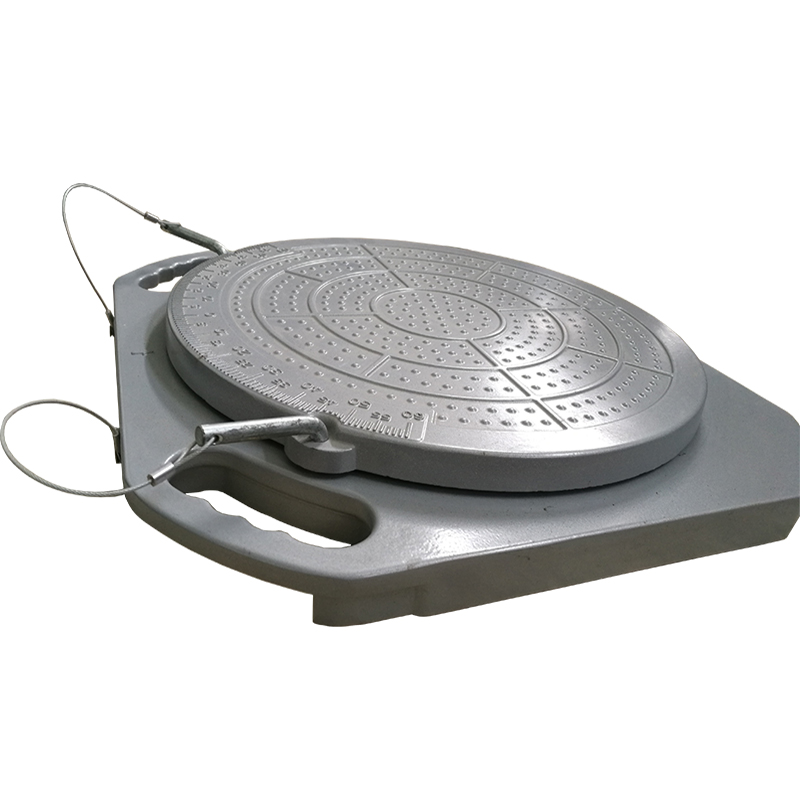
Car alignment turn plates serve as a critical tool for aligning a vehicle’s wheels. These plates are typically placed under the vehicle's tires, allowing the tires to rotate as the vehicle’s suspension is adjusted. This helps in the alignment process, ensuring that the tires are correctly aligned with the vehicle’s frame, improving handling, tire wear, and overall driving performance.
Car alignment turn plates are commonly made from either steel or aluminum. Each material has distinct characteristics that make it more suitable for specific use cases. Steel, being heavier and more durable, is often used in heavy-duty environments like commercial repair shops. Aluminum, on the other hand, is lighter and more resistant to corrosion, making it a popular choice in environments where portability and ease of use are key factors.
Steel turn plates are known for their exceptional durability. Steel is a robust material that can withstand heavy use without significant wear and tear. This makes steel turn plates ideal for high-volume shops where turn plates are used frequently. The strength of steel ensures that these plates can handle the weight and pressure exerted by vehicles during alignment procedures, making them a long-lasting investment for commercial use.
Tip: Steel turn plates are ideal for high-volume shops that handle a variety of vehicles regularly. They provide excellent longevity, especially when used in environments with heavy machinery.
While steel turn plates generally come with a higher initial cost compared to aluminum, their durability often justifies the investment in the long run. Steel's longevity means fewer replacements and repairs over time, which can result in cost savings in a busy workshop.
However, if budget is a concern and long-term use is not expected, aluminum may be a more cost-effective solution initially.
One downside of steel turn plates is their weight. Steel is significantly heavier than aluminum, which can make steel turn plates more cumbersome to move around in a workshop. This weight might not be an issue in large, stationary workshops but could become inconvenient in smaller spaces or mobile repair units.
Notes: For workshops with limited space or a need for mobility, the weight of steel turn plates could pose challenges. It’s important to balance the need for durability with the practical demands of your workspace.
Steel turn plates are best suited for commercial settings or high-volume repair shops where the plates will be used frequently and must endure heavy loads. They are also ideal for workshops that deal with larger vehicles or require plates that will stand up to consistent wear.
Aluminum turn plates are much lighter than steel, making them a preferred choice for workshops where portability is important. Mechanics who work in mobile repair units or small garages will find aluminum plates easier to move and set up. The lighter weight can also reduce physical strain on workers during repetitive tasks.
Tip: If your workshop requires frequent setup and teardown of car alignment equipment, aluminum turn plates may be the best choice for their portability.
One of the most significant advantages of aluminum over steel is its resistance to rust and corrosion. Aluminum is naturally resistant to corrosion, making it ideal for use in environments with high humidity or in areas prone to rust. This makes aluminum turn plates particularly beneficial for coastal regions or shops that deal with vehicles exposed to harsh conditions.
Aluminum turn plates are typically more affordable than steel, making them an attractive option for smaller shops or those just starting. However, their lighter construction may result in slightly less durability over time. While aluminum is still durable, it may not withstand the same level of wear and tear as steel, especially in high-volume environments.
Notes: Aluminum plates are a good choice for shops with lower usage or those on a budget. However, they may not provide the same longevity as steel in commercial settings.
Aluminum turn plates are best suited for small workshops, mobile mechanics, or DIY enthusiasts who need a lightweight and corrosion-resistant solution. They are also ideal for shops where space is limited or the need for portability is paramount.
In high-volume shops where turn plates are used extensively, steel generally outperforms aluminum in terms of long-term durability. Steel's strength makes it the better choice for handling the continuous pressure of heavy vehicles and the frequent use of alignment tools. Aluminum plates may not withstand the same level of usage, especially in demanding repair shops.
The material of the turn plates affects the precision and accuracy of the alignment process. Steel, being heavier and more stable, offers better support during the alignment process, ensuring that the vehicle’s wheels are aligned correctly. Aluminum, while still effective, may not offer the same level of precision, especially when dealing with heavier vehicles or high-precision tasks.
Tip: For high-precision alignment, steel turn plates are recommended for their stability and strength during the alignment process.
Both materials can meet safety standards, but steel’s greater weight and sturdiness tend to offer superior stability under heavy loads. Aluminum, while strong enough for most tasks, might not provide the same level of security in more demanding environments. Ensuring the stability of the vehicle during the alignment process is crucial for safety.

Here’s a comparison table that outlines the key differences in cost, durability, and performance for steel vs aluminum car alignment turn plates:
Feature | Steel Turn Plates | Aluminum Turn Plates |
Initial Cost | Higher | Lower |
Durability | High durability, long-lasting | Moderate durability, may need replacement more frequently |
Weight | Heavy, less portable | Lightweight, highly portable |
Corrosion Resistance | Prone to rust without proper care | Highly resistant to corrosion |
Best Use Case | High-volume commercial shops | Small workshops, mobile mechanics |
Maintenance Needs | Low maintenance | Requires more frequent checks |
Return on Investment (ROI) | Better long-term ROI | Good short-term ROI |
Steel turn plates tend to be more expensive upfront than aluminum plates. The cost is primarily due to the material’s strength, durability, and weight. However, aluminum plates are generally more affordable, making them a better option for smaller shops or those just starting.
Steel turn plates may have higher upfront costs, but their long lifespan means fewer repairs and replacements, which can save money in the long run. Aluminum, while cheaper initially, may need to be replaced or repaired more frequently due to its lighter build and potential wear.
Steel provides a better return on investment for high-volume, heavy-duty workshops. Although it has a higher initial cost, its durability and longevity outweigh the initial investment. Aluminum turn plates, on the other hand, provide excellent value for smaller shops or those on a budget, but they may not last as long as steel.
Many professional mechanics prefer steel turn plates due to their durability, precision, and ability to withstand heavy use. Steel turn plates provide greater stability during alignment, which is especially important when working with larger vehicles. However, some mechanics in mobile units or smaller shops prefer aluminum for its lightweight nature and portability.
Mechanics consider factors such as the type of vehicles they work on, the frequency of alignment tasks, and the size of their workspace. Steel plates are favored for their stability and strength, while aluminum is chosen for its portability and ease of handling.
Steel is highly recyclable, which contributes to its sustainability. Steel turn plates, when eventually replaced, can be recycled into new products, reducing the material’s overall environmental impact. However, steel production can be resource-intensive, so the sustainability of steel plates depends on how they are sourced and manufactured.
Aluminum has a clear environmental advantage due to its light weight and high recyclability. The production of aluminum has a lower carbon footprint than steel, making it a more sustainable option. Additionally, aluminum turn plates’ resistance to corrosion extends their lifespan, reducing the need for replacements.
When choosing between steel and aluminum car alignment turn plates, consider your workshop's needs. Steel turn plates are ideal for high-volume, heavy-duty shops requiring durability and precision. Aluminum turn plates are perfect for smaller workshops or mobile mechanics due to their portability and corrosion resistance. The right choice depends on your workspace, budget, and vehicle types. For most commercial operations, steel offers the best long-term investment. However, aluminum remains a solid choice for flexibility, portability, and lower upfront costs. Dfeng offers high-quality car alignment turn plates, providing excellent value and performance for various workshop needs.
Final Thought: Choosing the right car alignment turn plates is crucial for ensuring precision, durability, and efficiency in your vehicle maintenance operations.
A: Car alignment turn plates are tools used in the vehicle alignment process to allow free rotation of the tires. This helps technicians make precise adjustments to the wheels, ensuring proper alignment for better vehicle handling and tire longevity.
A: Steel car alignment turn plates are durable, long-lasting, and ideal for high-volume workshops. Their robust nature allows them to handle heavy vehicles and frequent use, making them a solid investment for commercial operations.
A: Aluminum car alignment turn plates are lightweight, portable, and resistant to corrosion. They are perfect for smaller workshops or mobile mechanics where ease of transport and durability in various environments are essential.
A: The choice between steel and aluminum depends on your workshop's needs. Steel plates are best for heavy-duty, high-volume shops, while aluminum plates are ideal for portability and smaller operations.